
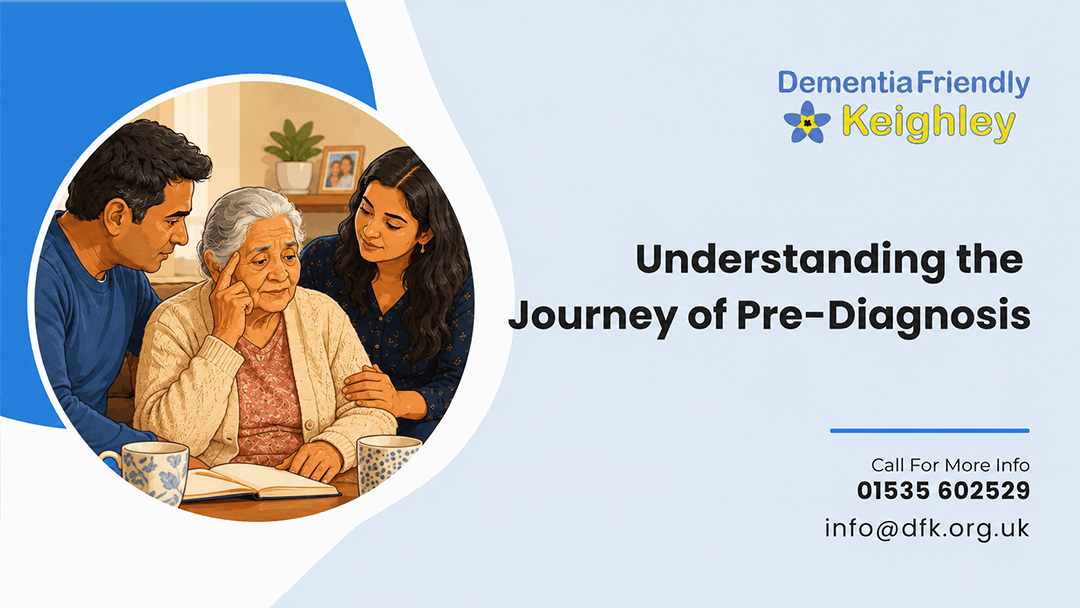
Recognising the Early Signs of Dementia: A Family Guide to Getting Support Sooner
Noticing changes in someone you love can be worrying, especially when those changes involve memory, behaviour, mood or communication. Many families find themselves wondering whether a parent, partner, relative or close friend is simply becoming more forgetful with age, or whether something more serious could be happening. Dementia often begins gradually, and the earliest signs can be easy to overlook. However, recognising changes early and seeking professional advice can make a real difference. An early diagnosis can help families understand what is happening, access support, plan ahead and make sure their loved one receives the right care at the right time.
When Small Changes Start to Feel Different
In the early stages, dementia may not be obvious. A person may still manage many everyday tasks, hold conversations and appear much like themselves. However, family members may begin to notice subtle changes that feel out of character. This might include forgetting recent conversations, repeating the same questions, misplacing items more often, struggling to follow familiar routines, becoming confused about dates or appointments, or finding it harder to manage money, medication or household tasks. These signs do not always mean dementia, as memory problems can also be linked to stress, anxiety, depression, infections, medication side effects or other health conditions. But if the changes are becoming more frequent or affecting daily life, it is important to speak to a GP.
Signs Families Should Look Out For
Every person’s experience of dementia is different, but there are some common early signs families may notice. These can include increased forgetfulness, difficulty finding the right words, confusion in familiar places, changes in mood or personality, reduced confidence, poor judgement, losing track of tasks, or withdrawing from hobbies and social situations. A loved one may also become frustrated, embarrassed or defensive if they are aware something is changing but cannot explain it. Families should try to approach the situation gently, focusing on support rather than criticism. A calm conversation, such as “I’ve noticed you’ve seemed a bit more worried about appointments lately, and I wondered if it might help to speak to the GP together,” can feel less upsetting than pointing out mistakes.
Why an Early Diagnosis Matters
Receiving a dementia diagnosis can be emotional, but it can also bring clarity. For many families, the uncertainty before diagnosis can be one of the hardest parts. Early assessment can help rule out other possible causes of memory or thinking changes and, where dementia is diagnosed, it can open the door to treatment, advice and support services. It also gives the person and their family more time to make decisions together while the individual can still express their wishes clearly. This may include planning future care, discussing legal and financial matters, making home adjustments and building a stronger support network.
What Happens During the Diagnosis Process?
The first step is usually an appointment with a GP. The GP may ask about symptoms, general health, medication, mood, sleep and family observations. They may also carry out basic memory or thinking tests and arrange blood tests to check for other possible causes. If dementia is suspected, the person may be referred to a memory clinic or specialist service for further assessment. This can include more detailed cognitive tests and, in some cases, brain scans. The process can take time, so it can be helpful for families to keep notes of changes, examples of concerns and questions they want to ask at appointments.
Supporting Your Loved One and the Wider Family
Whether someone is waiting for assessment or has already received a diagnosis, family support can make a huge difference. Keeping routines familiar, encouraging independence where safe, and using simple aids such as calendars, reminder notes, labelled cupboards or medication organisers can help someone feel more confident and in control. Emotional support matters just as much as practical help. A person with dementia is still the same person, with their own feelings, preferences, history and identity. Dementia also affects the wider family, and it is normal for relatives to feel worried, upset, guilty or overwhelmed. Seeking support early from healthcare professionals, dementia charities, local groups or social care teams can help families feel less alone.
Moving Forward with Compassion and Understanding
Recognising the early signs of dementia is not about creating fear; it is about giving families the chance to act with care, knowledge and compassion. If you are concerned about someone you love, trust your instincts and seek professional advice. The earlier families understand what is happening, the sooner they can access support, make plans and help their loved one continue living with dignity, connection and as much independence as possible. Dementia can be a challenging journey, but no family has to face it alone.